Key takeaways
- Geiko vs maiko vs costume: in Kyoto a full geisha is a geiko; an apprentice is a maiko. Many 'geisha' photographed by day are tourists in paid dress-up. The real difference.
- Gion’s private alleys closed in April 2024 to tourists after repeated harassment. Public streets like Hanamikoji stay open. Which lanes are off-limits.
- Photos carry a ¥10,000 fine on private lanes. Photographing geiko/maiko without consent is what caused the crackdown. Ask first, accept no gracefully.
- Real geiko are rare: only around a thousand work in all Japan. The realistic sighting window is dusk, 5:30–6:30 pm. Where and when to actually spot one.
- Book a show instead of hunting. Walks from $8 teach you what you’re looking at; shows from $66 guarantee a maiko encounter. Compare show experiences.
What a Gion geisha walk and show actually includes
The headline experience and what you get for the price — at a glance.
On a guided walk
- A local guide fluent in English or your language
- Two or more hanamachi (geisha districts) covered on foot
- History and context: how geiko/maiko live and work
- A chance (not a promise) to spot geiko heading to evening engagements
- No harassment: respectful, consent-focused encounters only
On a maiko show or meeting
- A live maiko in a teahouse or performance space
- A short dance or performance
- Direct Q&A: ask about training, daily life, the traditions
- A photo opportunity (the maiko consents)
- Guaranteed encounter — no luck required
What a Gion geisha walk actually covers, in order
The route on a typical evening walk — what you see and why it matters.
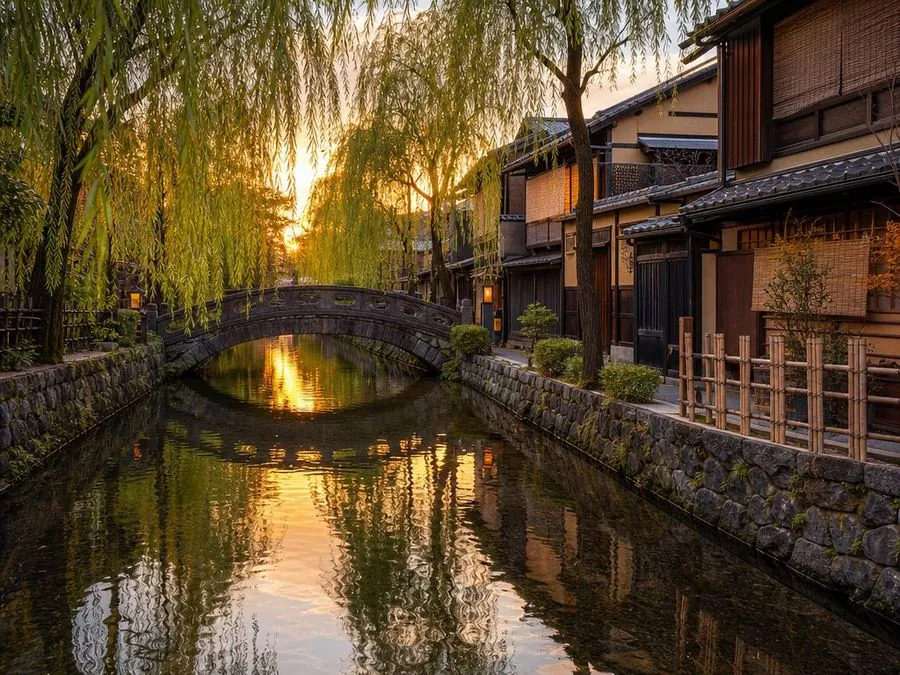
A guided Gion walk begins at Shijo and Hanamikoji Street, the main entrance to Gion Kobu, then moves through the ochaya (teahouses) of Hanamikoji, past the Shirakawa canal with its stone bridges and willows (the most photogenic part of Gion), and ends with an encounter — a booked maiko show or the chance to walk further into the wider hanamachi.
- Shijo & Hanamikoji entrance — The spine of Gion Kobu, where most walks begin.
- Ochaya (teahouse) row — Wooden townhouses where geiko entertain private banquets nightly.
- Shirakawa canal — Willows, stone bridges, and the district’s most photographed corner.
- Tatsumi bridge area — Traditional architecture, teahouses, and the core walking route.
- Geisha performance or maiko meeting — A booked show or Q&A encounter with a working entertainer.
The whole walk takes 1.5 to 2 hours depending on the tour and pacing. See what a typical evening looks like and compare the night walks.
How booking works
Pick your walk or show
We help you choose: budget walk, evening walk, or a guaranteed maiko encounter.
Check live times
See real availability and prices from GetYourGuide.
Book in seconds
Reserve now, with free cancellation on all tours.
Just turn up
Your confirmation has the meeting point, time, and what to bring.
Book a Gion geisha experience
The flagship walk with a live maiko show is the most complete and highest-rated option for most visitors. Reserve now, with free cancellation up to 24 hours before.
Which Gion experience is right for you?
Three very different ways to see and understand geisha. Here’s how they compare.
| Most completeKyoto Gion Cultural Walk & Geisha Show with Dining Options | Meet the Geisha (Maiko) with Gion Walking Tour | Gion Geisha District Walking Tour: Stories of Geisha | |
|---|---|---|---|
| Price | $103 | $66 | $20 |
| Duration | ~3.5 hrs | ~1.5 hrs | ~2 hrs |
| Guaranteed maiko | Yes — show & Q&A | Yes — meeting | No — walk only |
| Meal included | Yes — dinner, lunch or tea | No | No |
| Group size | Small | Small | Guided group |
| Rating | 5.0 ★ | 4.8 ★ | 4.7 ★ |
| Best for | The full experience | Budget + meeting | The evening walk |
| Book this → | View → | View → |
Photo Gallery
Gion through the lens
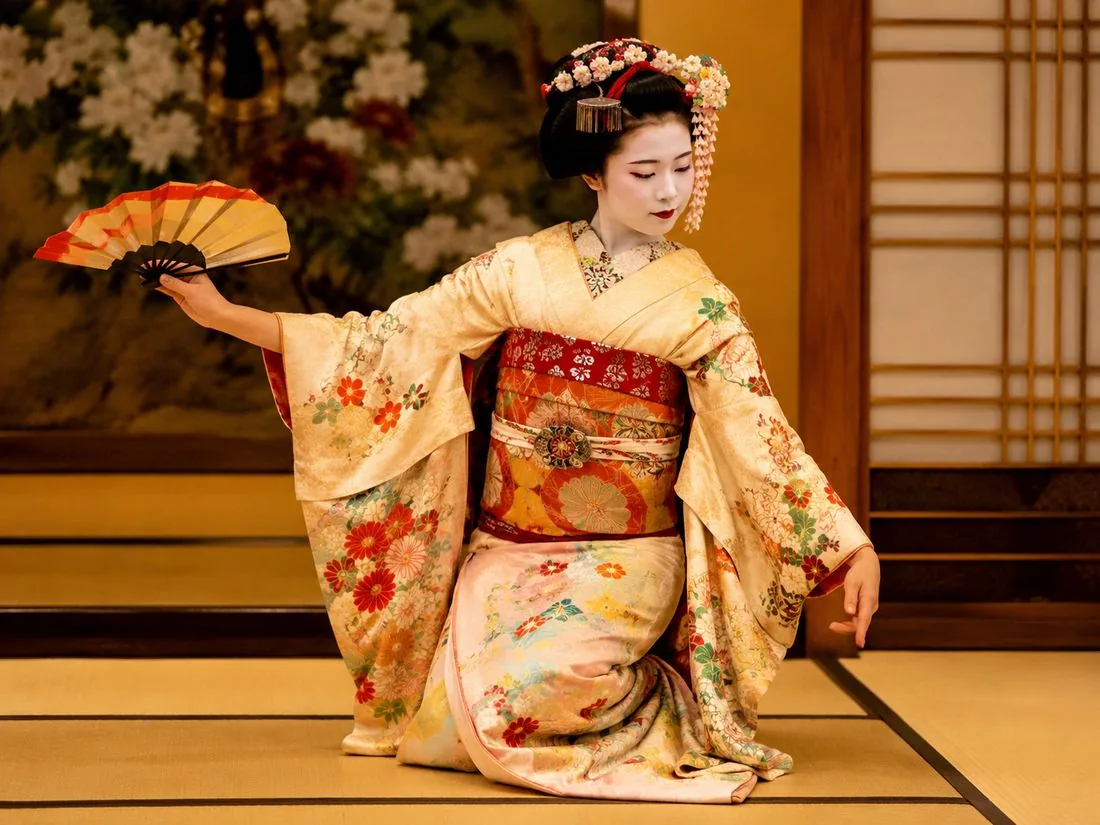
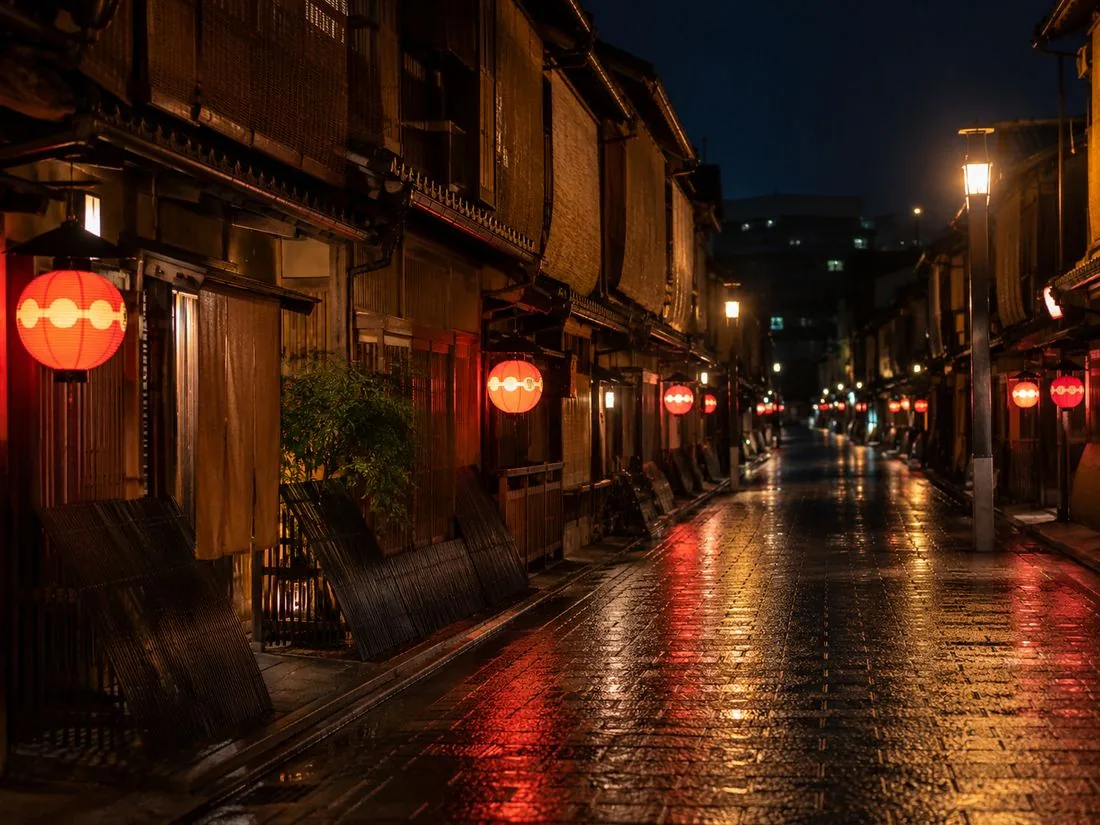
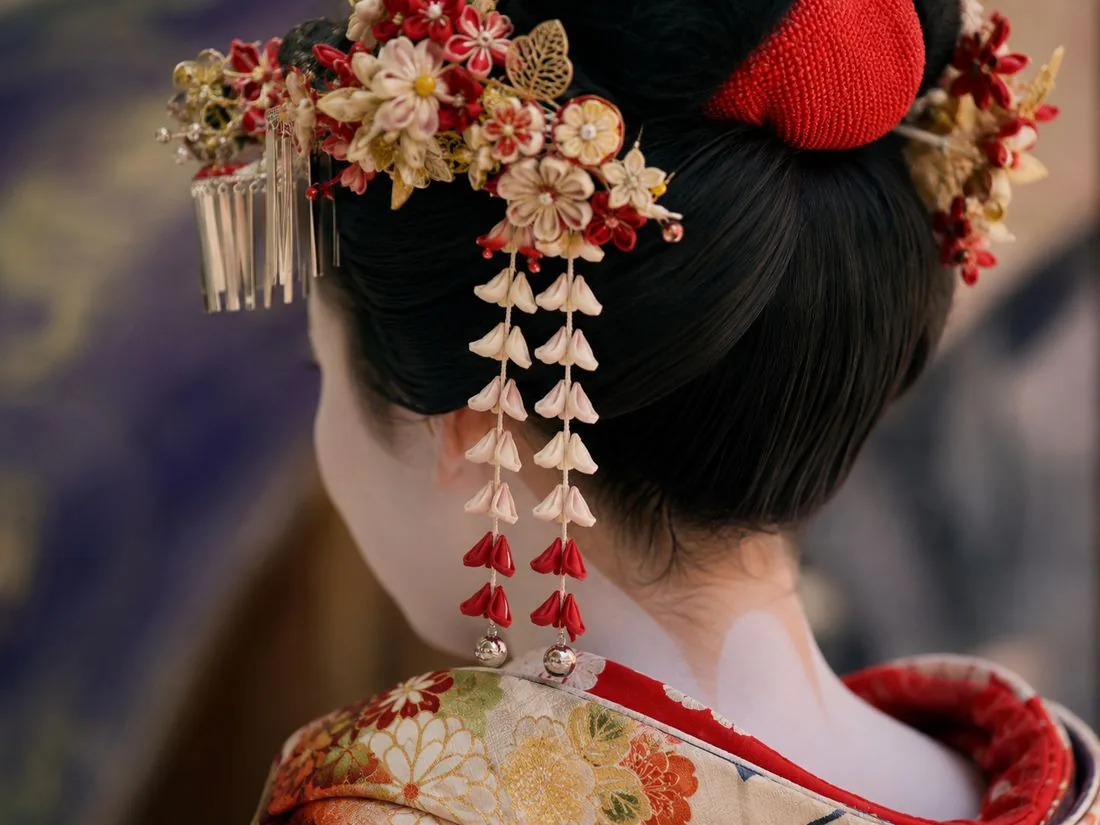
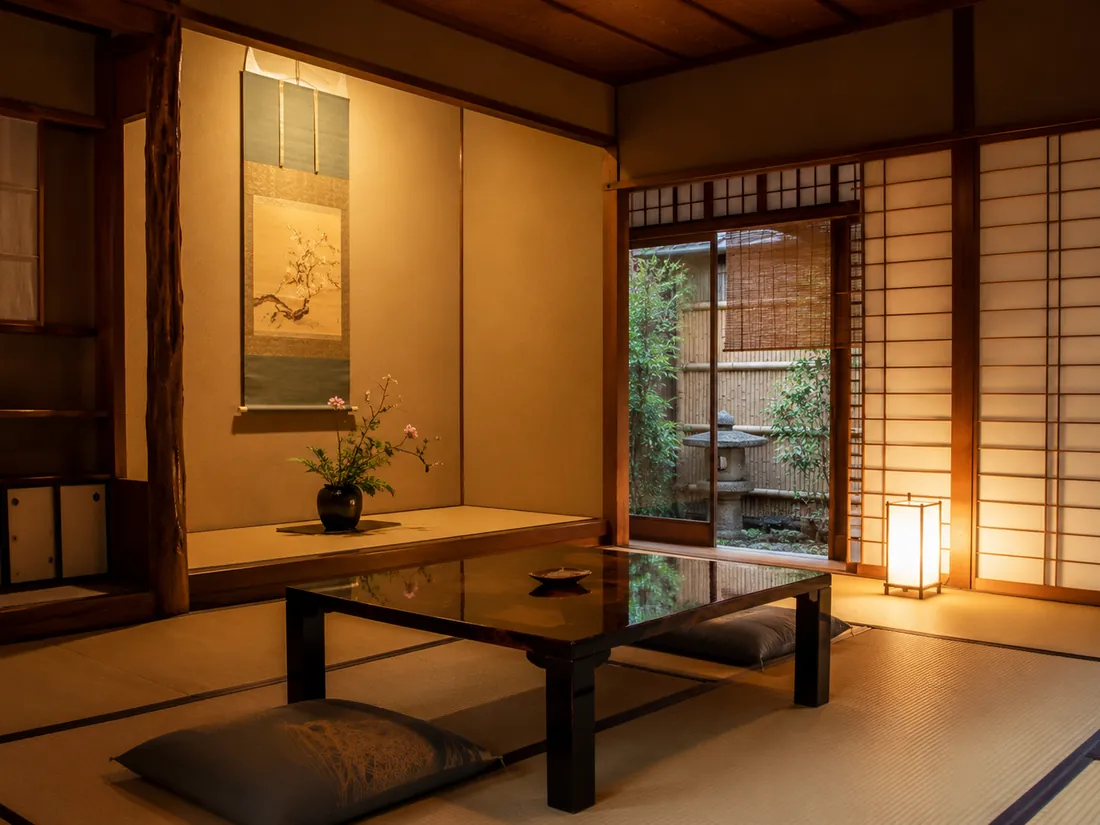
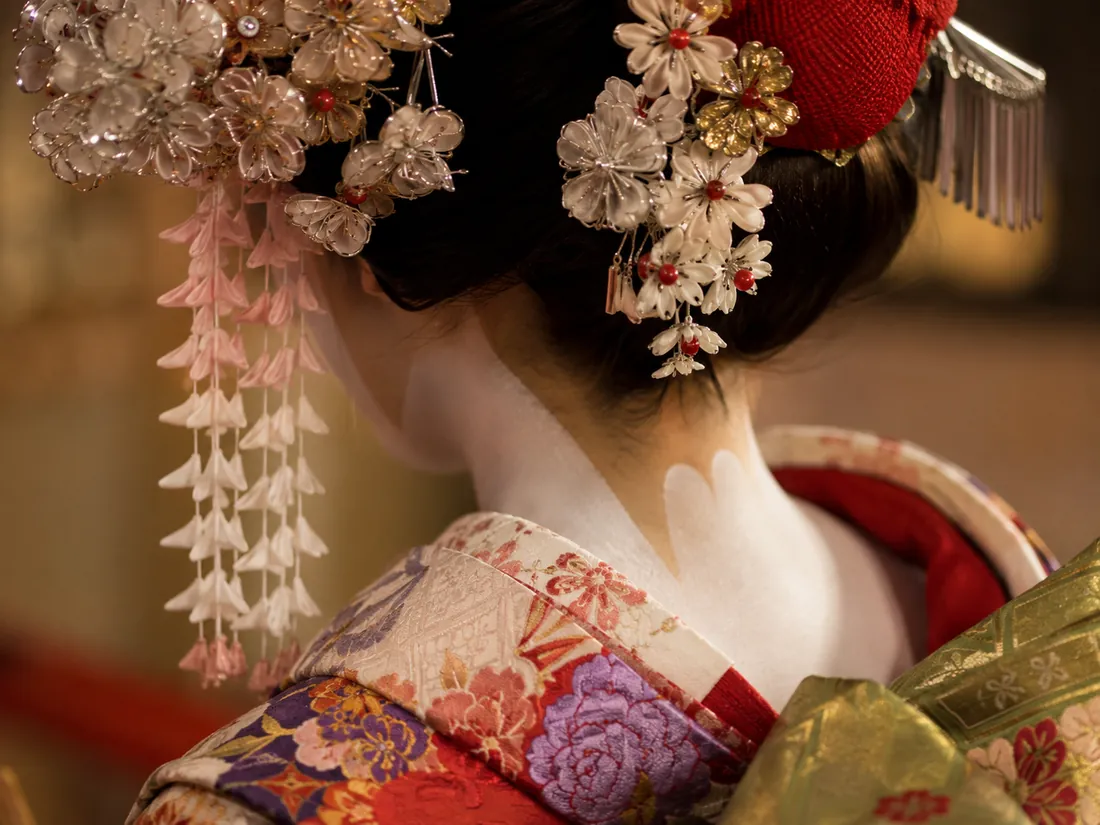
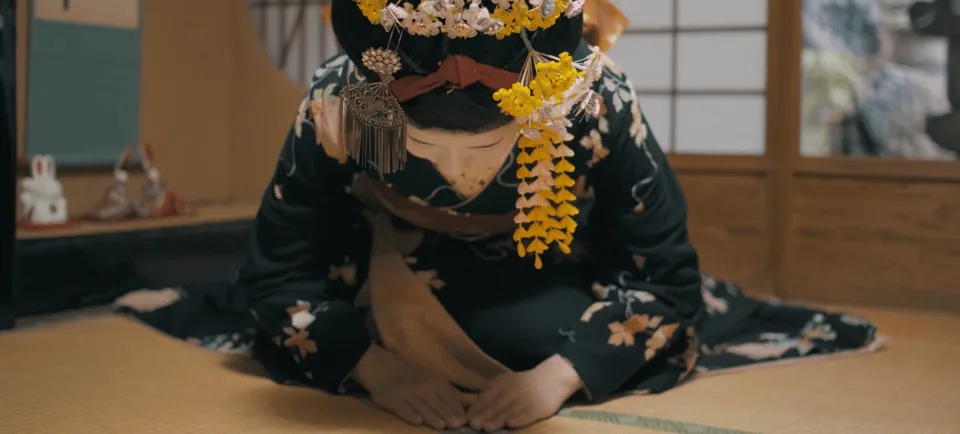
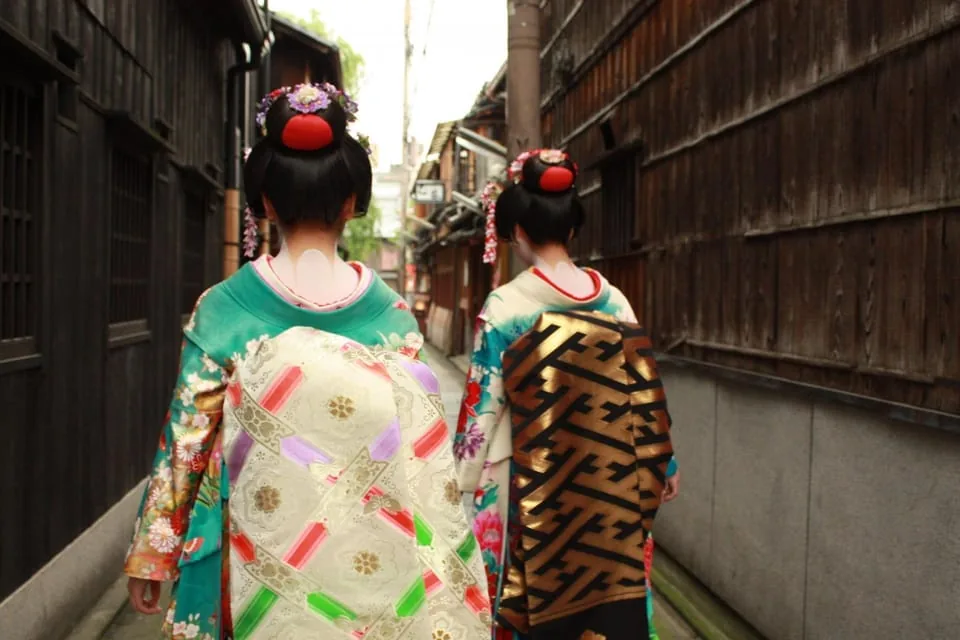
The streets, teahouses, and moments you’ll encounter on a Gion walk or show.
All six Gion geisha experiences
From $8 walks to $103 maiko shows — every option on this site, ranked and reviewed.
 Best show
Kyoto Gion Cultural Walk & Geisha Show with Dining Options
 Most booked
Gion Geisha District Walking Tour: Stories of Geisha
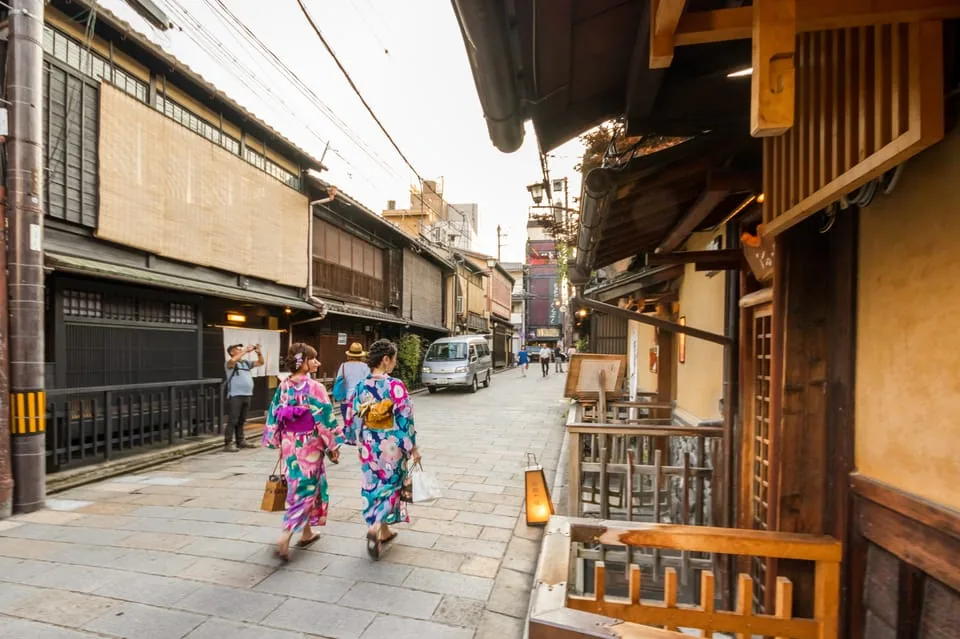 Classic night walk
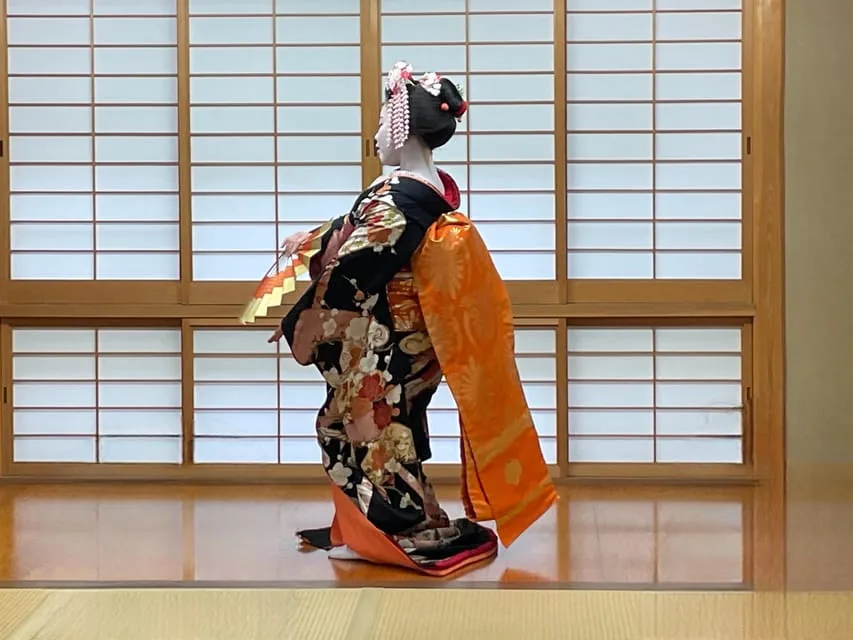 Meet a maiko
Meet the Geisha (Maiko) with Gion Walking Tour
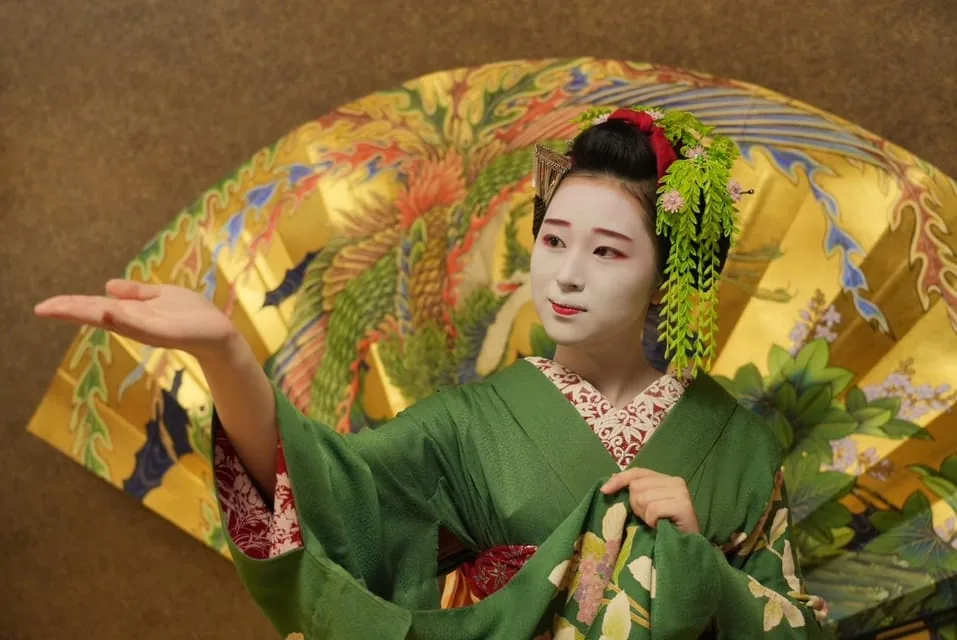 Small group
Gion Walking Tour, Geisha Show & Japanese Game
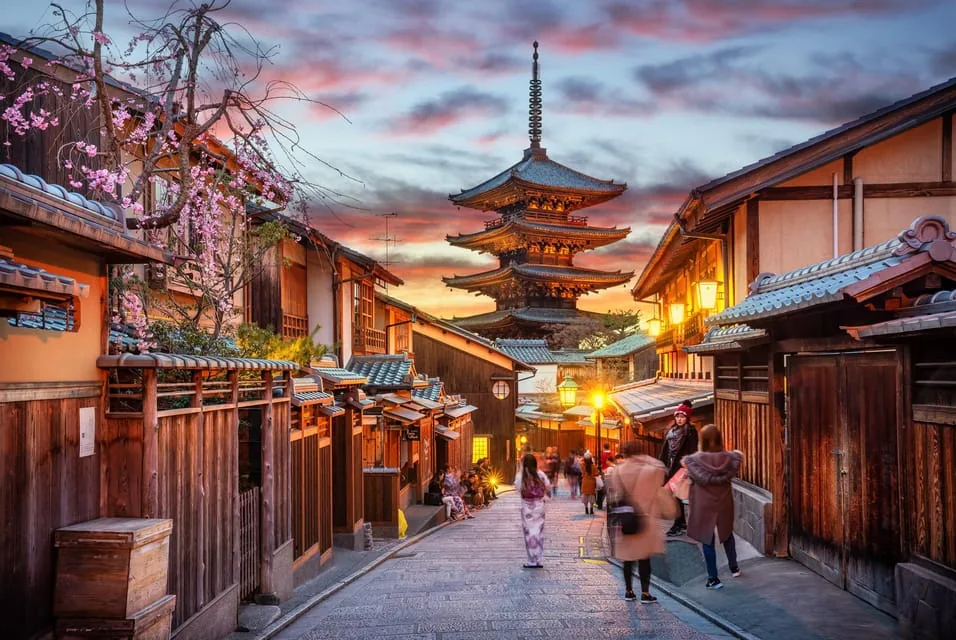 Best value
What guests say about the Gion geisha experiences
Real reviews from visitors who booked the walks and shows we feature.
The guide Ken was born and raised in Kyoto, so knowledgeable and sweet. Learning about the daily life of geisha and the maiko experience was amazing.
We got to see many areas that we wouldn’t have otherwise realized. Yuki’s knowledge of the history was exceptional.
The guide Mia was funny and nice. Learned a lot about how geiko and maiko live and work.
Comfortable with guide Harumi, and meeting the maiko was an eye opener. Really interesting.
One of the best experiences of my life. The maiko was captivating, and guide Soichiro made it intimate.
A must-do tour if you are visiting Kyoto. Our guide Valarie knew the district inside and out.
Ratings and reviews are the operators’ live GetYourGuide figures. Read our full tour reviews ›
Quick answers before you book
A few things worth knowing so you enjoy the experience, not waste time on logistics.
Can I really see a geisha in Gion?
Real geiko are genuinely rare — only around a thousand work in all Japan. The reliable way is to book a walk (which teaches you what you’re seeing) or a show (which guarantees a maiko encounter). See where and when to spot one.
What’s the difference between a geiko and a maiko?
In Kyoto, a full geisha is a geiko; an apprentice is a maiko. Maiko wear elaborate obi and tall clogs; geiko dress more subtly. Many 'geisha' photographed by day are tourists in costume. Learn to tell them apart.
Can I photograph geisha in Gion?
Gion’s private alleys closed to tourists in April 2024, with a ¥10,000 fine for photos on private lanes. Public streets like Hanamikoji stay open, but photographing geiko/maiko without consent — chasing or blocking them — is what caused the crackdown. Ask first, accept no gracefully.
How much do the walks and shows cost?
Walks start at $8 and run to $21; maiko shows run $66–$103. See the full breakdown and what each includes on our cost page.
Can’t make these dates?
Browse more available geisha tour kyoto and find one that fits your schedule — all with instant confirmation and free cancellation.
Seeing Geisha in Kyoto, Explained
There’s a moment most visitors arrive with the same idea: find a geisha in Gion. And within a day, one of two things happens. Either you see someone in an elaborate white face and hanging obi, grab your camera, and later find out it was a tourist in costume. Or you spend an evening walking narrow lanes, phone out, hoping to get lucky — and feel the weight of being part of the problem the moment you realize you are. The honest answer: don’t hunt geiko like wildlife. Book the encounter instead.
What you’re actually looking at
Start with the words. In Kyoto a fully-fledged geisha is a geiko; an apprentice is a maiko. Maiko typically train from around age 15–16, wear elaborate hanging obi, tall okobo clogs, ornate kanzashi hair ornaments, and paint their own faces with a natural nape line. Geiko dress more subtly, often wear a wig, and have turned collar (a formal ceremony) around age 20. Both are professional performing artists: traditional dance, shamisen, song, conversation and games hosted at private banquets.
What they are not: geiko and maiko have never been sex workers in Kyoto, despite persistent Western conflation. That mistake — treating them as if they were — is the single most common misunderstanding foreign visitors make, and it’s the foundation of the harassment problem.
What you probably saw in photos: many “geisha” photographed by day in Gion are tourists in paid maiko-henshin makeover costume. Real geiko are working entertainers, not attractions. They move fast between evening engagements. A snapshot of someone in white face and a kimono by daylight is almost certainly not a real geiko.
Where they actually are: the five hanamachi
Kyoto has five hanamachi (geisha districts): Gion Kobu (the biggest and most famous), Gion Higashi, Pontocho, Miyagawacho, and Kamishichiken. All five are real, working districts where geiko and maiko are based, but Gion is the one most visitors know.
Within Gion, Hanamikoji Street is the spine, lined with wooden teahouses (ochaya) and machiya townhouses. The Shirakawa canal area — with willows, stone bridges and narrow lanes — is the prettiest and most photographed part. Gion sits on the east side of the Kamo River in the Higashiyama area.
If you walk in the evening, you’ll see the ochaya lit up, teahouse banners hung, and the district alive with geiko and maiko heading to work. That’s the real thing. And that’s also what changed in April 2024.
The April 2024 closures and what they mean
After years of “geisha paparazzi” — tourists chasing geiko through narrow lanes, blocking their paths, grabbing for photos without consent — the Gion Kobu community association closed its private alleys to tourists. Signage warns of a ¥10,000 fine for photography on private lanes. The public main streets, including Hanamikoji itself, remain open to walk.
So here’s the practical difference: you can still walk Hanamikoji and the wider district. You cannot enter the private back alleys where teahouses run their business. And if you see a geiko on a public street and want a photo, you must ask — and if she says no, that’s the end of it. This ban wasn’t arbitrary. It was necessary.
Your realistic odds of a street sighting
Real geiko and maiko are rare. Only around a thousand work in all of Japan, and most are in Kyoto. On any given evening, only a handful are moving between engagements. The realistic window for an unplanned street sighting is dusk — roughly 5:30–6:30 pm — when geiko travel to evening banquets. That’s why the classic night walks run at that time, and why some visitors get lucky and some don’t.
Even then, a sighting is not a promise. The classic tours run at night specifically because the odds are marginally better at dusk. But many guests never see a geiko, and that’s normal.
The honest recommendation: book the experience
So what actually works. A guided Gion walk ($8–$21, 1.5–2 hours) teaches you what you’re looking at: the ochaya, the hanamachi system, how geiko are trained and what they do. A guide who grew up in Gion can point out details you’d miss alone. You might see geiko heading to work; you might not. Either way, you understand the place.
A maiko show or tea meeting ($66–$103, 1.5–3.5 hours) guarantees a real encounter. You sit in a room with a working maiko, watch her perform (a dance, games, conversation), and ask her questions. She consents. You get photos together. It’s professional, respectful, and you learn far more than chasing someone down the street ever will.
The flagship experience on this site combines both: a guided walk through two hanamachi (Gion Kobu and Gion Higashi) plus a live maiko show and a meal with the apprentice. It’s the most complete way to understand geisha in Kyoto and meet one face to face.
Etiquette matters too. Do not touch a geiko or her kimono. Do not block her path or walk backwards in front of her. Do not chase for photos. Keep your voice down. If you see one and want a photo, ask politely and accept “no” immediately. A working geiko on her way to an engagement will almost always decline, because she’s working, and that’s a valid answer.
The bottom line
Seeing and understanding geisha in Kyoto is entirely possible. The right way is respectful, booked in advance, and frankly more rewarding than hunting. A guided evening walk costs $8 and teaches you what you’re looking at. A maiko show costs $66–$103 and puts you in the room with a real geiko who’s there by choice. The choice is yours, but the principle is the same: respect the person, book the encounter, and let the guide do the work. Book a Gion experience here, or see the full guide to understanding geisha in Kyoto.
Frequently asked questions
Can you actually see a real geisha in Gion?
Real geiko are genuinely rare — only around a thousand work in all Japan. The realistic sighting window is dusk (5:30–6:30 pm) as they travel to evening engagements. The reliable way is to book a guided evening walk or a maiko show.
What’s the difference between a geisha and a maiko?
In Kyoto a full geisha is called a geiko; an apprentice is a maiko. Maiko train from roughly 15–16 and ’turn collar’ to become geiko around age 20. Learn how to tell them apart by dress and appearance.
Are tourists allowed in the Gion geisha district?
Yes, the public streets of Gion remain open. However, the private alleys of Gion Kobu closed to tourists in April 2024 after repeated harassment of geiko. Which lanes are off-limits and which stay open.
Is it illegal to photograph geisha in Kyoto?
Photography on Gion’s private lanes carries a ¥10,000 fine. On public streets it’s not banned, but photographing a geiko or maiko without consent — chasing or blocking them — is what caused the crackdown. Ask first and accept no gracefully.
Can you touch a geisha or maiko?
No. Do not touch a geiko/maiko or her kimono, do not block her path or walk backwards in front of her, and do not chase for photos. Keep your voice down. Full etiquette guide for Gion.
How rare is it to see a geisha on the street?
Extremely rare without luck. A booked maiko show or guided walk is the honest way to see the real thing — it respects the geiko and guarantees (or at least improves) your odds.
Is Gion better to visit by day or at night?
For the geisha angle, evening is the time that matters. Geiko/maiko are working entertainers, not tourist attractions, and they travel to engagements at dusk. Day vs night in Gion, explained.
How much does a geisha experience cost in Kyoto?
Walks start at $8 and run to $21; maiko shows run $66–$103. See what each includes and compare options.
Still have questions? Email us [email protected]